- Today's Ajenda
- Posts
- TODAY'S AJENDA #92
TODAY'S AJENDA #92
Welcome to TODAY'S AJENDA!

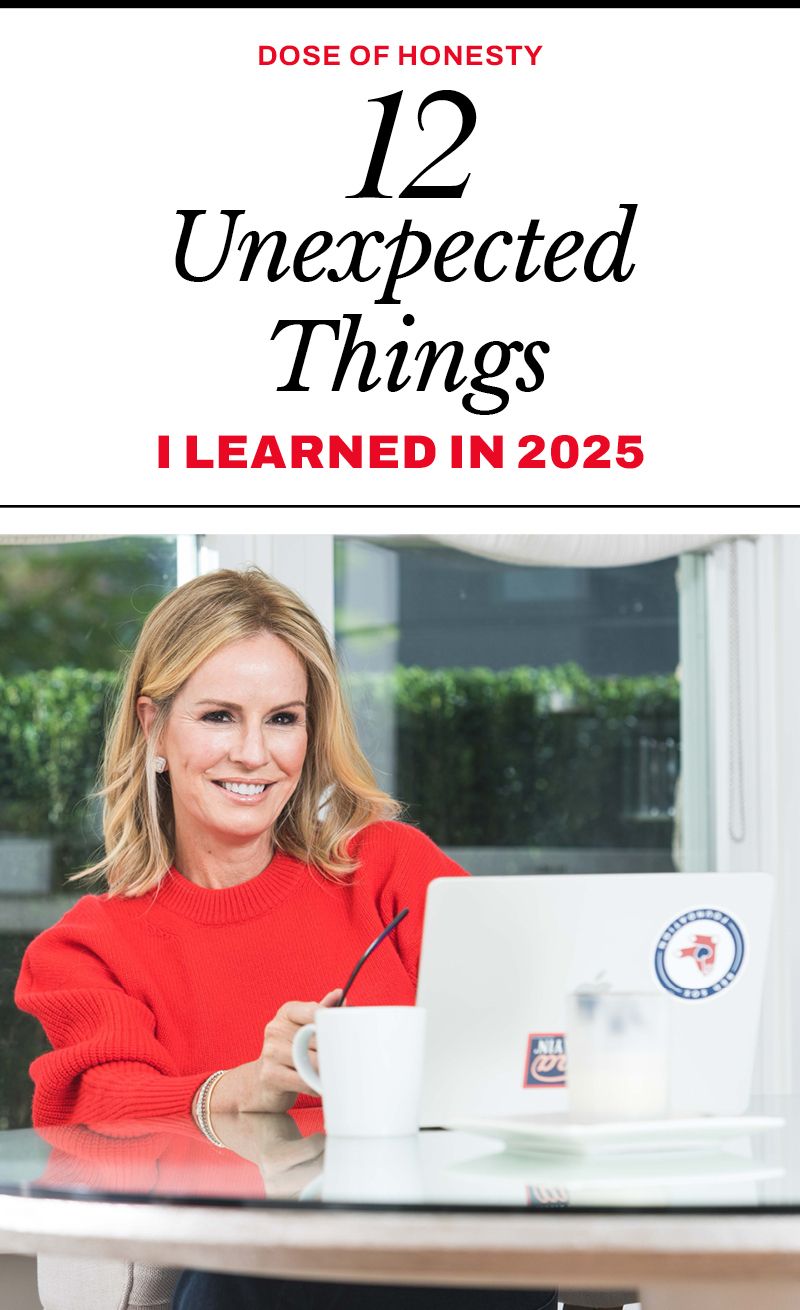
What a difference a year makes! This time in December, I’d just wrapped up my six-month wellness and fitness experiment with trainer Korey Rowe. I documented every workout, every meal, every brutal sprint session, every rest day, while thousands of you followed along both here and on my Instagram.
At the time, it was just a program I’d created for myself. Today, that program has evolved into The Wellness Experiment, a community of over 13,000 women. Beyond The Wellness Experiment, 2025 was also the year in which Ajenda grew tremendously as a leading women-first health media company!
It has been such an incredible, eye-opening journey, and in honor of that, I wanted to share the 12 most unexpected things I learned along the way:
Aging is not a slow and inevitable decline. Women over 50 can absolutely gain muscle through progressive resistance training and sufficient protein intake. Studies show that even women in their 70s and 80s can build significant strength with the right training.
At 56, I’m in the best shape of my life. This was the year I learned how to recover better, respect rest, and train smarter. (Read: Lots and lots of HIIT but also lots of strategic rest/recovery).
GLP-1s are not new (they were FDA-approved nearly 20 years ago). What is new is our realization that they do so much more than just move a number on the scale.
Zoom In: GLP-1s reduce inflammation, stimulate the immune system, reduce oxidative stress, and boost mitochondrial function, all of which have led to documented neurocognitive and cardiovascular protection.
This is a big deal for women over 50. We’re fighting hormonal shifts that favor fat storage and muscle loss. Declines in estrogen results in an increase in inflammation. GLP-1s aren’t magic, and they’re not for everyone, but the science is more nuanced than “Ozempic face” headlines.
I’ll admit: I was skeptical on this one. Rapamycin (aka Sirolimus) was first discovered in the soil of a remote Pacific island in 1964. It has a wild history as a potential longevity drug. (It is primarily known as an immune system suppression medication used to prevent rejection after transplantation.)
But using it as a face cream felt like a stretch.
Then I started reading the data. Small but compelling human studies show it improves skin thickness and helps organize collagen.
One paper I read said, and I quote, “it reverses signs of aging in the skin.” After researching the published dermatology evidence on topical rapamycin gel, I asked my own personal physician if he had a problem with my using/trying it.
He gave it the green light, and I have been using it every other night since August. I have definitely seen a difference (though at one point I did develop canker sores in my mouth which are a known side effect, so I decreased my frequency of use from daily to every other day.) It is by prescription only, and needs to be compounded in the dose of .001% gel.
Is it a miracle? No. Is it interesting? Very! Skin aging is deeply tied to cellular aging, and this is one of the first interventions that target that process directly.
Fiber is a super nutrient. There is soluble and insoluble fiber and they each serve an important purpose. Aside from promoting a healthy gut microbiome, they lower cardiovascular risk, control glucose, and even reduce all-cause mortality. But for such a powerful nutrient, most of us are barely getting the recommended amount.
Zoom In: The average person eats only about 10 to 15 grams of fiber a day. Women over 50 should aim for 25-30 grams.
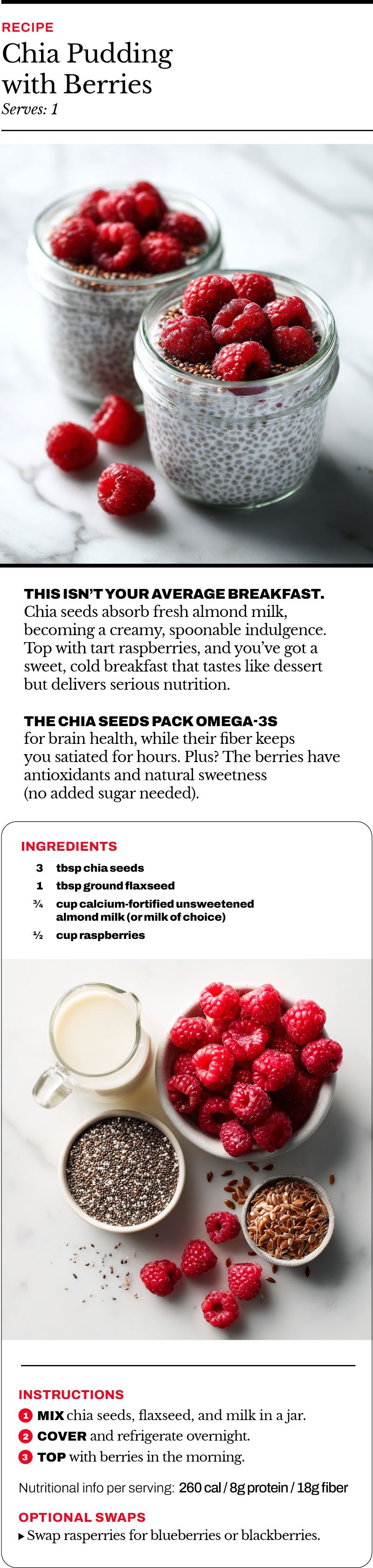
Most people fall short because eating 30 grams of fiber is not easy. It requires intention. I’ve had to incorporate beans, berries, chia, grains, and vegetables (along with an almost daily scoop of fiber powder into a smoothie) into nearly every meal to hit this target.
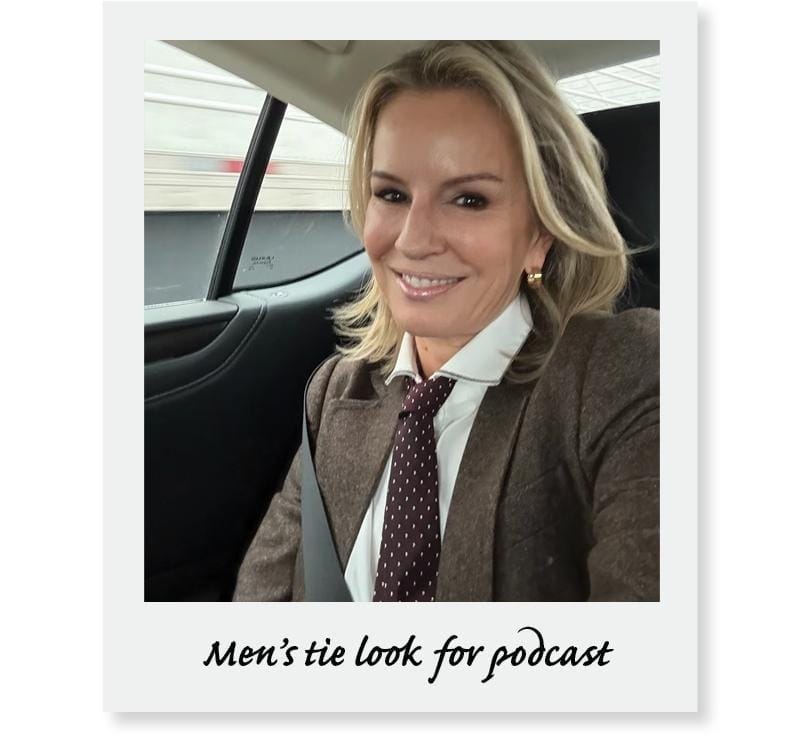
2025 was my year of learning new things. Whether it was learning how to bake vegan chocolate chip cookies or how to tie a tie (pictured below!), novelty lit up my brain in a way I did not expect.
They say you can’t teach an old dog new tricks, but neuroplasticity (your brain’s ability to rewire itself) is alive and well in your 50s and beyond. Not to mention, learning builds a “cognitive reserve” that protects your mind as you age and reduces dementia risk.
P.S. I share where I got this tie in my other newsletter, Off Duty!

Before, my work took place in my private medical office, on hospital floors and on television sets. Now, almost all of it is digital. That’s a problem. The data is clear that excessive screen time leads to poorer sleep, higher stress, and lower mood.
That’s why “analoging” is on my 2026 agenda. I’m doing more activities that are screen-free, slow, and sensory, like reading physical books (no audio books, although I do enjoy them), learning to play Mahjong, and going on long walks without a podcast.
I’ve started leaving my phone at home when I go out to dinner (I inform my children that if there is an emergency, they can call my husband), and I have started putting it in a different room at night. I will report back on any lessons learned on these new practices soon.
Speaking of walking, I logged a lot of walks in 2025. I’d tell myself I didn’t have “the time,” lace up anyway, and without fail, I’d come back in a better mood.
Which isn’t surprising when you look at the science. Walking reduces symptoms of anxiety and depression, improves insulin sensitivity, and lowers cardiovascular risk. It also stimulates cognitive function, creativity and definitely increases bone density.
Bonus: Try Japanese walking for added leg strength and improved cardiovascular fitness!

Our sleep patterns naturally change with age, but women get hit particularly hard. 40-60% of menopausal women report sleep disturbances (hot flashes and night sweats don’t help).
And poor sleep isn’t just inconvenient. It’s linked to weight gain, insulin resistance, cognitive decline, and mood disorders. The idea that we need less sleep as we age is simply wrong.
I protect sleep now like it’s medication. Because in many ways, it is. Yes, I’ve functioned on very little sleep for MANY years: when I was in residency and in the early years of my practice, I would routinely be up all night delivering babies, and have to work a normal day the next day.
And in television, I spent 16 years waking up at 4 or 5 AM five or six days a week. Could I do it? Yes. Did I enjoy doing it? Absolutely not. Now, sleep is a non-negotiable part of my wellness behavior, and I consider it on par with fitness and nutrition. Try giving yourself just 30-45 min of extra sleep for a month and notice how you feel. It will be significant.
After 13 years at ABC and two decades of 4 am alarms, I didn’t realize how depleted I was. It’s funny how you don’t feel the full weight of exhaustion until you finally put it down.
Recovery wasn’t a quick fix. It took a long time to feel like myself again. That’s normal. We often mistake burnout for a lack of willpower, but it’s not a weakness. It’s physiology. If you’re wondering if you are burned out in some way, you probably are.
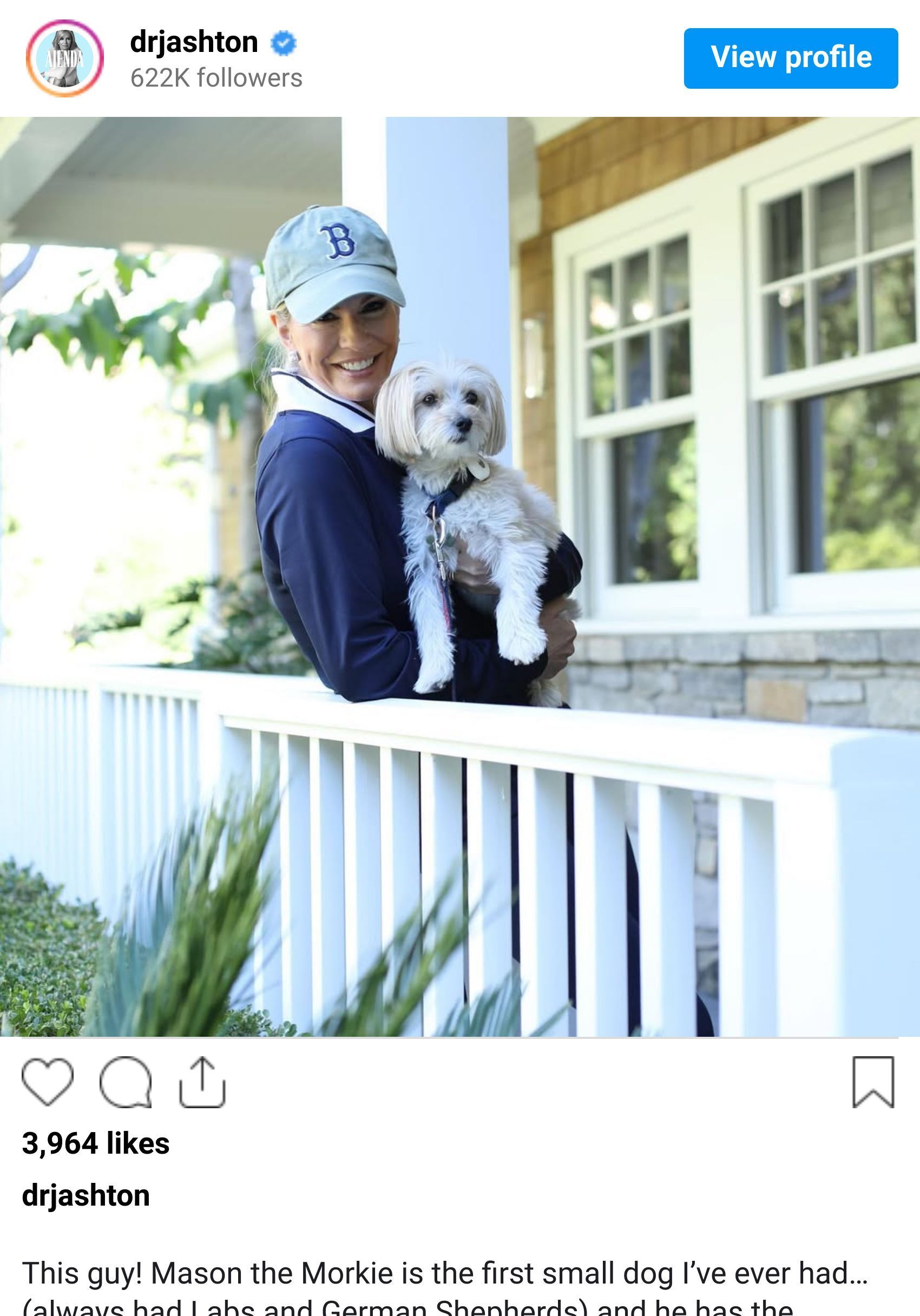
Whenever my stress levels start to climb, I head straight for Mason. He’s a Morkie with the biggest personality and a heart to match, and is my ultimate reset button (well, as long as we aren’t headed to the vet).
It’s not just in my head. There’s real science that interacting with animals, particularly dogs and horses, can lower cortisol, boost oxytocin (the “feel-good” hormone), and reduce blood pressure.
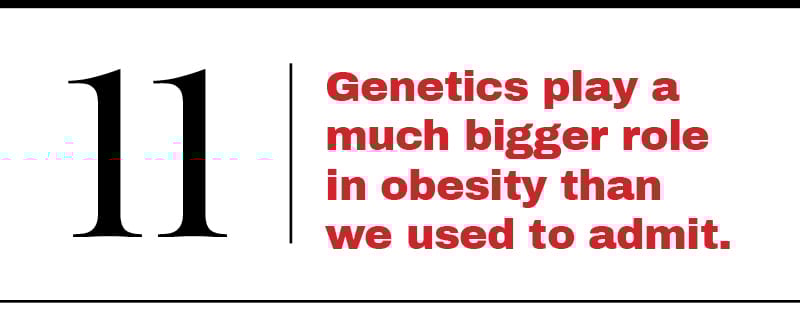
In October, I had to sit for another FIVE hour exam in Obesity Medicine to continue to be Board-Certified. In my studying for this exam, (yes there was a LOT of new information that has emerged since 2016 when I was first Board-Certified) I was reminded, with actual data, that having the conditions of overweight or obesity is not a character flaw.
(And yes, that is the right way to describe it: someone ‘has the condition of overweight’ they ‘are not overweight.’) There are dozens of genes involved in appetite regulation, energy expenditure, and fat storage.
Bottom line: Obesity is a chronic and biologically complex disease.
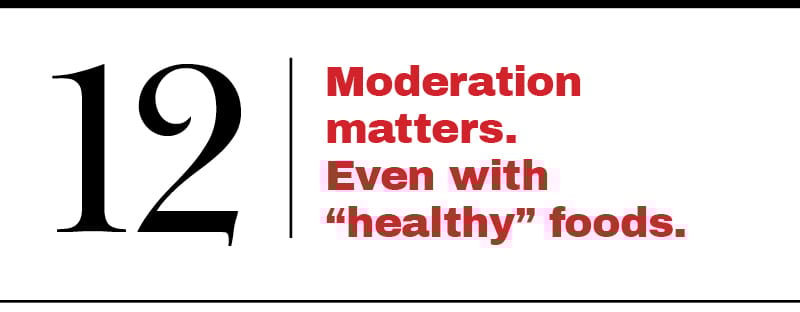
I discovered I had elevated mercury levels from eating fish almost daily. While it wasn’t high enough to be toxic, it was a reality check, as high mercury exposure can damage your brain, heart, and nervous system. After speaking to environmental physician, and author of DETOXIFY, Dr. Aly Cohen, I learned that even small fish that don’t swim at the level of shark, swordfish or tuna, contain mercury. Who knew???!
I stopped eating fish for three months and then had my mercury level checked and it come down to normal. Eventually, I started eating fish again, but I’ll have it twice a week instead of five times a week like I was before!

Winter air is no joke. Outside, the cold is biting; inside, the dry heat leaves you with parched skin, a scratchy throat, and chapped lips. And while closed windows shield you from freezing temperatures, they trap dust, pet dander, and seasonal allergens in your home.
Canopy’s Bedside Humidifier* helps me deal. The filter captures ultra-fine particles, such as pollen and odors, while moistening the air, which may support dewy and hydrated skin.
It also has an aroma diffuser, white noise, and a red night light, which can really elevate my sleep quality. I consider Canopy’s Humidifier part of my bedroom environment, which I try to optimize as much as possible.
If you’re curious to tweak the environment of your “sleep den” for a possible better night’s sleep, clearer skin, and fewer allergy symptoms, use the code JenXmas for 23% off.
Note: Code expires at midnight, December 24th. Exclusive to Ajenda subscribers!

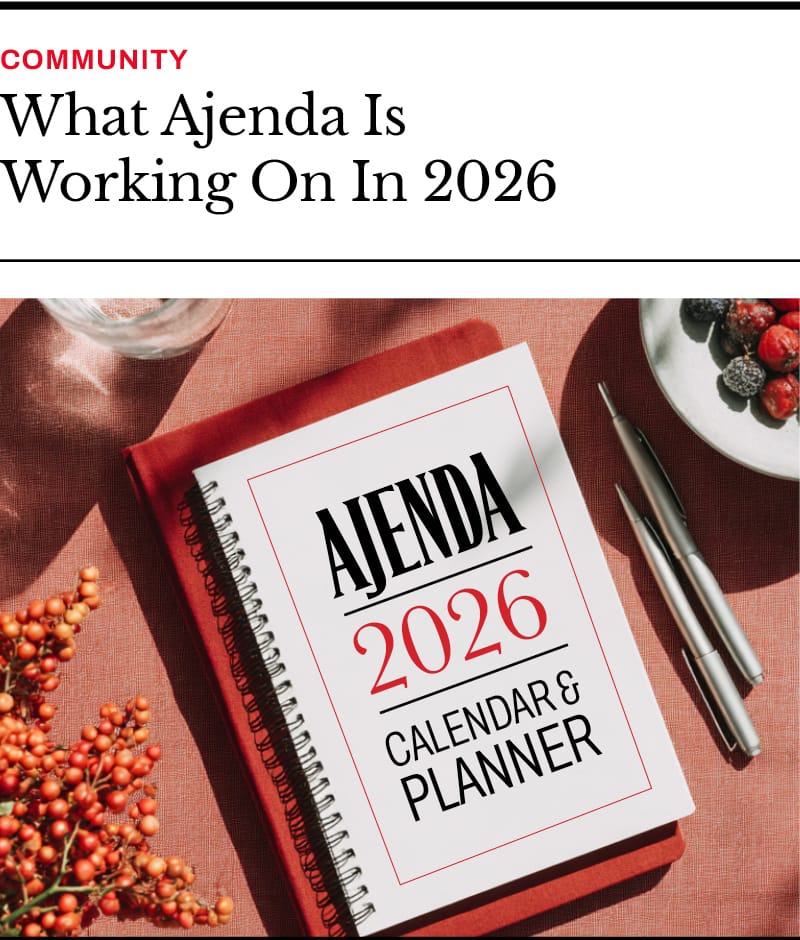
As we welcome 2026, I want to thank you from the bottom of my heart for your incredible support and readership. This next year, Ajenda has some really exciting projects in the works.
They all share the same goal to:
Elevate knowledge around wellness, weight, and fitness issues facing women over 50
Bring you information, a social network, and solutions for things that move the needle when it comes to vitality, vibrancy, and viability
Cut through the noise in this space with a signal that is science-backed, simple, and straightforward
So what’s coming?
We’re developing a podcast, two new books, a live event, and a national tour! I’m especially excited about the opportunity to meet and connect with you in a more personal, authentic, and impactful way.
Right now, we’re gathering feedback to understand which of these projects you’re most excited about, so we can prioritize what we build next.
We’d love to hear from you.
Of the following projects that Ajenda has in development, which of the following would you listen to, attend, or purchase? |

Subscribe to my paid newsletter, Off Duty, where I step away from the doctor’s desk and television sets and share the info from my real life that nobody else has access to.


Did you enjoy Today’s Ajenda? It would mean the world if you left us a testimonial!


ABOUT DR. JEN
In her former roles as chief medical correspondent for ABC News and on-air cohost of “GMA3: What You Need to Know,” Dr. Jennifer Ashton—”Dr. Jen”—has shared the latest health news and information with millions of viewers nationwide. As an OB-GYN, nutritionist, and board-certified obesity medicine specialist, she is passionate about promoting optimal health for “the whole woman.” She has authored several books, including the national best-seller, The Self-Care Solution: A Year of Becoming Happier, Healthier & Fitter—One Month at a Time. And she has gone through menopause…
Forwarded this email?

Missed the last issue?

*Note: This newsletter includes affiliate links. Sponsors may earn a commission if you purchase.

This material is provided solely for informational purposes and is not providing or undertaking to provide any medical, nutritional, behavioral or other advice or recommendation in or by virtue of this material. This newsletter is for general informational purposes only and does not constitute the practice of medicine, nursing or other professional health care services, including the giving of medical advice, and no doctor/patient relationship is formed. The use of information on this newsletter or materials linked from this newsletter is at the user’s own risk. The content of this newsletter is not intended to be a substitute for professional medical advice, diagnosis, or treatment. Users should not disregard, or delay in obtaining, medical advice for any medical condition they may have, and should seek the assistance of their health care professionals for any such conditions.